
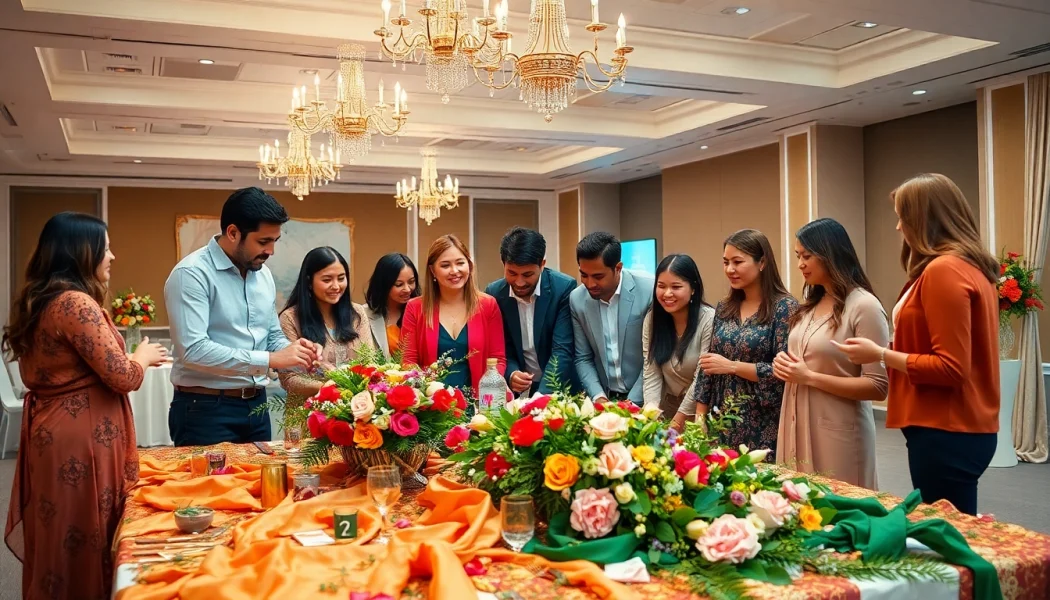
Understanding Your Event Vision
When it comes to hosting an event, having a clear vision is essential. This clarity will help guide your planning and decision-making processes. A well-defined vision acts as a compass, steering you toward your goals while ensuring all aspects align cohesively. Whether you are planning a corporate gathering, a wedding, or a charity event, understanding what you hope to achieve is the first step.
Identifying Goals and Objectives
To establish a successful event, begin by identifying your goals and objectives. What do you want to accomplish? Are you aiming to raise awareness, generate leads, or simply provide entertainment? Different goals yield different planning priorities. Once your objectives are set, break them down into measurable outcomes—such as the number of attendees, engagement rates, or fundraising targets. This quantifiable approach will not only clarify your strategy but also allow for better evaluation post-event.
Creating a Budget That Works
Next, creating a comprehensive budget is critical for realizing your event vision. Examine all possible expenses, including venue costs, catering, entertainment, marketing, and staff. Always leave a little wiggle room for unexpected expenses. Remember that investing in areas that directly contribute to your goals is essential; for instance, promoting your event through https://www.casablancahire.co.uk/ might yield high returns on attendance and engagement.
Choosing the Right Venue
The venue plays a pivotal role in the success of your event. Selecting the appropriate location should align with your objectives while considering factors such as capacity, accessibility, and ambiance. A stunning backdrop might enhance the overall experience, but keep in mind its practicality; ensure there is adequate space for your activities, seating, and any technology required. Additionally, consider the venue’s reputation and any restrictions they may impose that might hinder your plans.
Essential Elements of Event Logistics
Logistical planning is the backbone of any event. Ensure you have all the moving parts accounted for, from timelines to vendor management and on-the-day arrangements. Neglecting logistics can lead to chaos, while effective planning results in smooth execution.
Timeline Development for Smooth Execution
Creating a detailed timeline is crucial. Start by setting major milestones—including booking the venue, confirming vendors, and launching marketing campaigns. Break each major task down into smaller, actionable items with clear deadlines. Establishing an organized timeline not only helps maintain momentum but also ensures that everything falls into place during the event. Regularly review and adjust your timeline as necessary throughout the planning process.
Vendor Coordination and Management
Identifying and managing vendors can either make or break your event experience. Select vendors who not only deliver high-quality products or services but also align with your vision. Good communication is key; establish expectations up front and maintain open channels throughout the planning stages. Assign someone trusted to oversee vendor relations on the day of the event, which will ease your burdens and allow you to focus on other critical aspects.
On-the-Day Logistics and Setup
Event day logistics require meticulous execution to ensure everything runs as planned. Arrive early to oversee the setup and confirm each vendor is on track. Use a detailed checklist to validate that all elements are in place—from decorations to audiovisual equipment. Have a contingency plan ready to adapt to unexpected challenges, such as last-minute equipment failures or vendor delays. Ensuring a coherent flow of activities will keep attendees engaged and satisfied.
Marketing Your Event Effectively
Marketing is the bridge between your event and your target audience. A sound marketing strategy ensures not only attendance but also engagement before, during, and after your event. Utilize various platforms to create a comprehensive marketing plan.
Leveraging Social Media and Online Platforms
In today’s digital age, social media is an invaluable tool for event marketing. Utilize platforms like Facebook, Instagram, LinkedIn, and Twitter to create buzz and anticipation. Share engaging content—such as sneak peeks or behind-the-scenes footage—to build excitement and drive registrations. Encourage attendee interaction through event-specific hashtags to extend your reach and create a sense of community.
Email Marketing Strategies That Drive Attendance
Email marketing remains one of the most effective ways to communicate with your audience. Develop a compelling email campaign that highlights event details, offers exclusive content, or provides early-bird discounts to incentivize sign-ups. Segment your lists to target specific audiences with tailored messaging, ensuring you address the unique interests of each group. Remember to follow up with reminders as the event date approaches.
Creating Engaging Promotional Materials
Your promotional materials must capture attention and convey the essence of your event. Invest in high-quality graphics and copy that reflect your brand and align with your event’s goals. This includes everything from posters and flyers to digital assets. Consider offering a unique promotional item to attendees—something they’ll associate with your event and brand long after it concludes.
Enhancing Attendee Experience
The event experience is critical. From the moment attendees arrive, every detail can contribute to their overall impression. Focus on creating an immersive and engaging atmosphere to elevate their experience.
Interactive Activities and Programs
Incorporate interactive elements to engage attendees. Workshops, Q&A sessions, and networking activities can foster participation and connection. Ensure that your event has opportunities for attendees to interact with speakers, sponsors, and even each other. Gamification—through competitions or challenges—can also increase excitement and engagement.
Catering Choices That Delight
Catering can significantly impact the attendee experience; therefore, offer a menu that appeals to diverse tastes and dietary restrictions. Whether you choose buffet-style, plated dining, or food stations, make the experience memorable. Collaborate with caterers who understand your vision and can present options that align with your theme. An exceptional culinary experience can elevate an already great event.
Feedback Mechanisms for Future Improvement
Collecting feedback should be a vital part of the event process. Implement surveys—both digital and physical—to gather attendee responses. Ask about their experience, preferences, and suggestions for improvement. Understanding your audience’s perceptions can provide invaluable insights for future events and demonstrates a commitment to enhancing their experiences.
Evaluating Event Success
After the event, it is essential to evaluate its success against the initial goals and objectives set out in the beginning. This analysis will inform your future events and help you continuously improve.
Key Performance Indicators to Measure
Identify key performance indicators (KPIs) relevant to your objectives. Common metrics include attendance numbers, revenue generated, engagement levels during activities, social media reach, and overall satisfaction ratings. Comparing these against your goals will help quantify success and highlight areas for improvement.
Post-Event Surveys and Insights
Solely measuring attendance isn’t enough; implementing post-event surveys can provide deeper insights into attendee satisfaction and engagement. Through well-structured questions, you can assess what worked well and what didn’t. This actionable information can significantly enhance the planning of future events.
Creating a Report for Stakeholders
A comprehensive report summarizing the event’s outcomes, insights, and learnings can be beneficial for stakeholders. Present the data you gathered, the feedback received, and a breakdown of expenditures versus revenue. This transparency will underscore your professionalism and dedication to continuous improvement.
Frequently Asked Questions
What is the first step in planning an event?
The first step is clearly defining your event vision, including goals and objectives to guide your planning process.
How can I create a budget for my event?
Create a comprehensive budget by listing all possible expenses, marking priorities that align with your goals, and allowing for contingencies.
What should I consider when choosing a venue?
Consider factors such as capacity, location, accessibility, ambiance, and any venue restrictions that could impact your event.
How important is social media for event marketing?
Social media is crucial for building awareness, engaging the audience, and driving registration, making it an essential marketing tool.
How can I measure the success of my event?
Success can be measured using key performance indicators such as attendance numbers, engagement levels, and post-event feedback from attendees.