Understanding the Impact of the Colorado School Shooting
The tragic occurrence of school shootings has left an indelible mark on communities across the United States, with the Colorado School Shooting serving as a poignant reminder of the urgent need for action. Such incidents not only alter the course of individual lives but also reshape entire communities, causing lasting emotional and psychological scars. This article delves into the various aspects of school shootings, focusing on historical context, community responses, preventative measures, and thriving towards a safer educational environment.
Historical Context and Overview of Incidents
School shootings, while not a new phenomenon, have become increasingly prevalent in recent decades. The first notable incident in the U.S. can be traced back to 1764, but the modern era of school shootings began in the late 20th century. Incidents like the Columbine High School tragedy in 1999 and more recent events in Sandy Hook and Parkland highlight a disturbing trend.
In Colorado, the 2019 shooting at a STEM school in Highlands Ranch further exemplified the state's complex relationship with gun violence. Understanding these occurrences necessitates examining the underlying factors, including societal, psychological, and legislative elements that contribute to such tragedies.
The Emotional Toll on Communities Affected
The aftermath of school shootings brings profound grief, anxiety, and trauma to affected communities. Survivors, families, and first responders often grapple with emotional fallout ranging from PTSD to survivor's guilt. The ripple effects affect local economies, community cohesion, and the mental health of residents long after the event.
Support networks play a crucial role in helping individuals heal. Grief counseling and community forums can facilitate a space for shared experiences, fostering resilience and collective healing.
Statistics and Trends in School Shootings
Understanding the statistics surrounding school shootings is vital for grasping the gravity of the situation. According to recent research, the number of school shootings in the U.S. has risen alarmingly. Data from organizations like Everytown for Gun Safety reveals that there were at least 250 school shootings between 2013 and 2021, highlighting an urgent call to action.
- Approximately 90% of school shootings are perpetrated by current or former students.
- Most incidents occur in urban settings, but rural areas are not immune.
- The average number of fatalities per shooting has increased in recent years.
Community Response Initiatives Following Tragedy
Support Systems for Victims and Families
In the wake of a school shooting, it is paramount for communities to rally around affected individuals and families. This can be achieved through various support systems, including mental health services and financial assistance programs. For instance, many local organizations offer scholarships and counseling to the victims and their families, ensuring that they are not left to navigate their grief alone.
Grassroots Movements and Advocacy
Grassroots movements have emerged as powerful advocates for change following tragedies. Initiatives like March For Our Lives, founded by survivors of the Parkland shooting, emphasize the importance of youth involvement in activism. These movements strive not only to advocate for stricter gun control laws but also to raise awareness about mental health resources and community safety.
Building Resilience Through Community Engagement
Community engagement is essential for building resilience against the backdrop of school shootings. Initiatives that foster dialogue between students, educators, and law enforcement can create a safer and more supportive environment. Programs that promote conflict resolution, peer mentoring, and social-emotional learning empower students to be proactive in ensuring their safety and wellbeing.
Preventative Measures and Policy Changes
Gun Control Discussions and Legislative Proposals
The debate surrounding gun control remains contentious, with various factions advocating for different solutions. Legislative proposals, such as universal background checks and red flag laws, have gained traction in the aftermath of school shootings. Advocates emphasize the need for comprehensive measures that not only restrict access to firearms for individuals deemed dangerous but also promote responsible ownership.
School Safety Enhancements and Protocols
Schools across the nation are adopting enhanced safety measures to protect students. This includes implementing advanced security protocols, like controlled access points, surveillance systems, and active shooter drills. Furthermore, many districts are investing in school resource officers (SROs) to ensure swift responses during emergencies.
Role of Mental Health in Prevention Strategies
Mental health plays a critical role in preventing school shootings. By increasing access to mental health resources within educational institutions, schools can help identify at-risk students and provide necessary support. Programs that focus on early intervention and resilience training can mitigate the psychological issues that often precede violent actions.
Long-term Consequences of School Shootings
Psychological Effects on Survivors and Witnesses
The psychological consequences of surviving a school shooting can be extensive and long-lasting. Survivors often experience anxiety, depression, and PTSD, which can hinder their ability to thrive academically and socially. Support services, including therapy and peer support groups, play a crucial role in helping them cope with these issues.
Education System Reforms and Adaptations
In response to the threat of school shootings, many education systems are reforming their curricula and safety protocols. There is a growing emphasis on social-emotional learning (SEL), which equips students with tools to manage their emotions, build relationships, and make responsible decisions. This holistic approach not only promotes a conducive learning environment but also addresses underlying issues that may lead to violence.
Community Cohesion and Support Structures Post-Incident
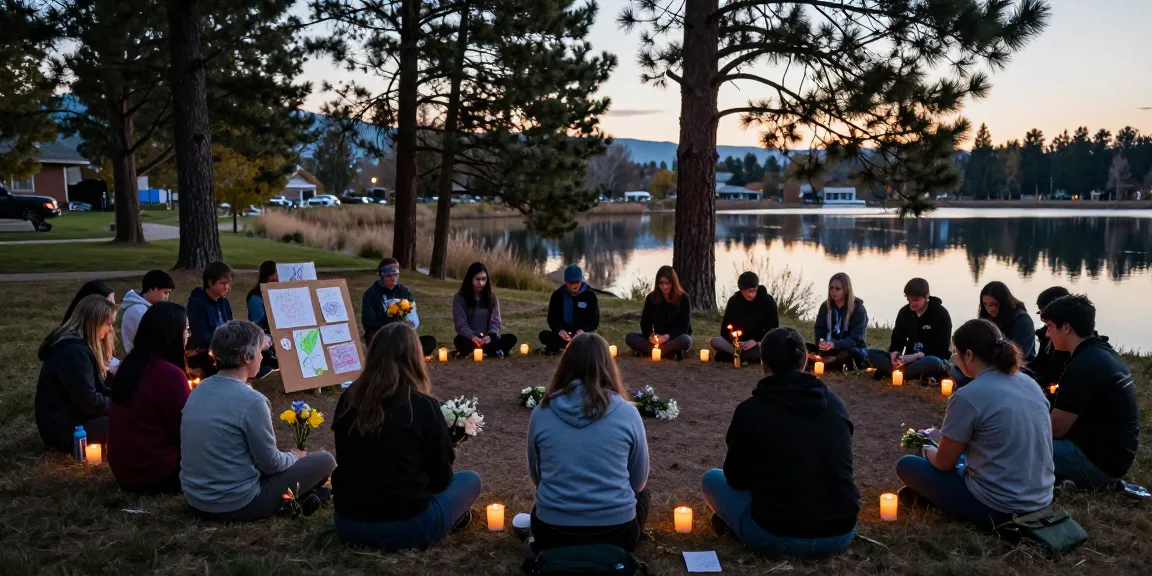
Following a tragic event, community cohesion becomes vital in rebuilding a sense of security and trust. Community events, memorials, and collaborative healing initiatives help bridge gaps between different social groups, fostering a culture of support and understanding.
Future Directions in Addressing School Safety
Emerging Technologies in Threat Detection
Advancements in technology are paving the way for improved threat detection in schools. Innovations such as AI-driven surveillance systems and real-time communication apps facilitate quicker responses to potential threats. Schools are encouraged to integrate these technologies while balancing privacy concerns and ethical considerations.
Collaboration Between Law Enforcement and Educators
To ensure effective emergency response, collaboration between law enforcement agencies and educational institutions is essential. Regular training exercises and communication drills can enhance preparedness and create unified approaches to crisis management. This collaboration also builds trust between students and law enforcement, contributing to a supportive school atmosphere.
Vision for a Safer Educational Environment by 2026
Looking towards 2026, the vision for educational institutions involves creating holistic environments that prioritize safety, mental health, and community engagement. This can be achieved through continuous dialogue among stakeholders, ongoing legislative efforts, and innovative solutions that adapt to the changing landscape of school safety.
What are the main causes of school shootings?
The causes of school shootings are multifaceted, often stemming from a combination of factors such as mental health issues, social isolation, access to firearms, and exposure to violence. Comprehensive strategies addressing these root causes can help in mitigating the threat of such events.
How can communities support victims' families?
Communities can offer support through various means, including fundraising efforts, providing mental health resources, and establishing memorials to honor victims. Creating supportive networks that facilitate connections among affected families is crucial for their healing process.
What measures can schools take to improve safety?
Schools can implement a variety of safety measures, such as regular safety drills, improved security infrastructure, and mental health programs. Engaging students in discussions about safety can also empower them to be proactive in maintaining a secure environment.
What legislative changes are being proposed?
Proposed legislative changes often focus on enhancing gun control measures, improving mental health resources, and increasing funding for school safety initiatives. Advocacy from various stakeholders is vital to push these proposals forward.
How do mental health resources play a role in prevention?
Mental health resources are crucial in preventing school shootings by providing support to at-risk individuals. Early intervention programs and increased availability of counseling services in schools can create a supportive environment that addresses mental health needs before they escalate into violence.