
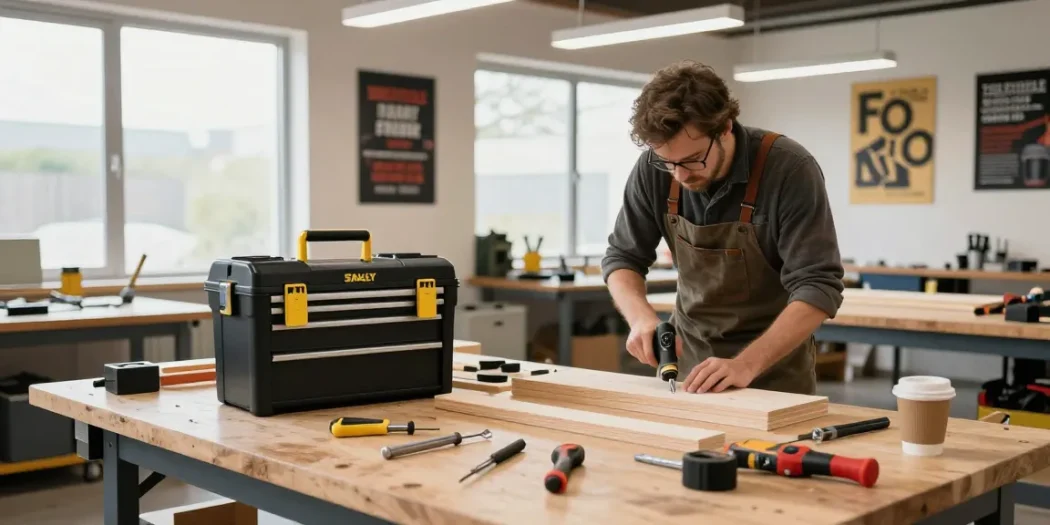
Understanding the Benefits of Using a Stanley Rolling Tool Box
A workspace thrives on organization and efficiency, and having the right tools at one’s disposal can significantly enhance productivity. The stanley rolling tool box is designed to cater to the specific needs of professionals and DIY enthusiasts alike. Its innovative design not only streamlines the process of tool storage but also provides easy access to a variety of tools when they are needed the most.
Why Choose a Stanley Rolling Tool Box?
Choosing a tool box can seem daunting, but the Stanley rolling tool box stands out for its durability, functionality, and innovative features. One of the primary reasons to select this brand is its reputation built on decades of designing reliable tools and equipment. Here are some compelling reasons to consider:
- Robust Build Quality: Stanley’s products are engineered to withstand the rigors of heavy use, ensuring longevity and dependability.
- Ease of Mobility: With integrated wheels and extendable handles, transporting your tools from one location to another becomes effortless.
- Customizable Storage: The internal compartments are designed to accommodate a wide variety of tools, making it suitable for both tradesmen and hobbyists.
- Weather Resistance: Many models come with seals that protect tools from moisture, extending their life even in challenging environments.
Key Features That Enhance Productivity
The Stanley rolling tool box is packed with features that make it an invaluable asset in any workshop:
- Modular Design: Allows users to stack multiple units together for easy transport and storage.
- Easy Access Compartments: Features like removable trays and drawers enable quick access to tools without rummaging through the entire box.
- Integrated Power Tool Storage: Specific models include designated areas for power tools, ensuring they are stored securely and conveniently.
- Heavy-duty Construction: This ensures the box can withstand heavy loads without compromising integrity.
Comparative Advantages Over Traditional Tool Storage
When comparing the Stanley rolling tool box to traditional tool storage methods like stationary chests or bags, several advantages become evident:
- Mobility: Unlike conventional tool boxes, the rolling design allows for easy movement around job sites or garages.
- Space Efficiency: Rolling tool boxes can be stacked, saving valuable floor space in crowded workshops.
- Visibility: The organization of tools within transparent compartments or trays helps in quickly identifying tools, thus saving time.
Organizational Strategies for Your Rolling Tool Box
Efficiently organizing tools within your Stanley rolling tool box can significantly improve your workflow. A well-structured toolbox not only enhances your productivity but also reduces the stress of searching for the right tool. Here are some strategies to consider:
Step-by-Step Guide to Efficient Tool Organization
Follow these steps to create an organized and efficient layout within your toolbox:
- Assess Your Tools: Begin by cataloging all your tools. Group similar items together, which allows for easier identification later on.
- Allocate Space: Use compartments for larger tools and smaller sections for accessories like screws, drill bits, and wrenches.
- Label Sections: Clearly label each compartment for quick identification. This is particularly helpful for team environments where multiple users access the tools.
- Regular Maintenance: Make it a routine to clean and reorganize tools on a regular basis to maintain order.
Utilizing Compartments for Different Tools
The Stanley rolling tool box often comes with adjustable compartments that can be reorganized based on your needs. Here are tips on how to utilize these compartments effectively:
- Reserve Large Compartments: For bulky tools such as power drills or saws, use larger compartments to avoid damage.
- Small Parts Organizers: Utilize removable organizers for screws, nuts, and bolts so they don’t get lost.
- Drawer Dividers: Implement dividers in drawers to keep hand tools like screwdrivers and pliers separated and organized.
Best Practices for Maintenance and Care of Your Toolbox
To keep your Stanley rolling tool box in optimal condition, adhere to these maintenance practices:
- Keep it Clean: Regularly remove dust and debris to prevent contamination of tools.
- Inspect for Damage: Regularly check wheels and compartments for wear and tear, replacing parts when necessary.
- Store in a Dry Place: Moisture can lead to rust on tools; ensure your toolbox is stored in a dry environment.
Maximizing Space in Your Workshop
Space can often be at a premium in workshops, but with effective use of the Stanley rolling tool box, you can maximize every inch. Here are some key strategies:
Designing Your Workshop Layout with the Stanley Rolling Tool Box
Begin by designing a layout that highlights accessibility and efficiency. Consider placing your toolbox in a central location to allow easy access to all tools without unnecessary movement.
- Create Zones: Divide your workspace into zones for different tasks, keeping your tool box in the zone where it’s needed most.
- Vertical Storage: Utilize wall mounts and shelves to store other equipment, so your toolbox can remain the focal point of tool access.
Creative Storage Solutions for Limited Space
If your workshop lacks space, consider these creative storage solutions:
- Tool Hangers: Use pegboards to hang tools where they can be easily accessed without cluttering surfaces.
- Multi-functional Furniture: Consider workbenches with built-in storage capabilities to house additional tools.
Ergonomic Considerations for Workshop Efficiency
Ergonomics plays a crucial role in workshop design. Implement these practices to improve your workspace:
- Tool Height: Position frequently used tools at waist height to reduce bending and stretching.
- Work Surface Arrangement: Ensure that your workbench and tool storage are within arm’s reach to minimize excessive movement.
Real-World Applications of the Stanley Rolling Tool Box
The Stanley rolling tool box is versatile and can benefit various users from professional contractors to DIY enthusiasts. Here are some real-world applications:
Case Studies: Professionals Who Benefit from This Tool
Many professionals rely on the Stanley rolling tool box for its efficiency and organization. For instance:
- A contractor managing multiple job sites appreciates how easy it is to transport essential tools, allowing for a seamless workflow.
- An electrician uses the tool box to keep his diagnostic tools organized, easily accessible during service calls.
DIY Projects That Utilize the Rolling Tool Box Effectively
For DIY projects, the Stanley rolling tool box is indispensable. Here are some examples of projects that benefit from its use:
- Home Renovations: Users can keep tools organized, helping ensure that no part of the job is delayed due to missing equipment.
- Garden Sheds: Perfect for storing gardening tools, enabling easy transport to different parts of the yard.
Feedback from Users: What the Community Says
Community feedback can provide valuable insights, and many users praise the Stanley rolling tool box for its robustness and user-friendly design. Common themes include:
- Appreciation for its mobility and ease of use.
- Positive comments about the weather-resistant features that protect tools from various environmental conditions.
Future Trends in Tool Storage Solutions for 2026
As we look towards 2026, tool storage solutions are evolving. Understanding these trends can help users stay ahead:
Innovations on the Horizon for Tool Organization
New materials and designs are being developed to make tool storage more efficient:
- Lightweight Materials: Innovations in materials will create even lighter and more durable tool boxes.
- Customizable Units: The future may present more modular systems that allow users to tailor their storage solutions.
How Smart Technology is Influencing Tool Boxes
Smart technology is beginning to play a role in tool organization:
- Integrated Sensors: Future designs may feature sensors that alert users when tools are missing or misplaced.
- Connectivity: Potential for Bluetooth-enabled tool boxes that track inventory and alert users to maintenance needs.
Preparing for the Future of DIY and Professional Workspaces
As DIY and professional workspaces evolve, preparation is key. Users should consider investing in versatile storage solutions that adapt to changing projects and environments, ensuring their tool organization remains effective.
What is a Stanley Rolling Tool Box?
A Stanley rolling tool box is a mobile storage solution designed specifically for tools, featuring compartments and organizational elements that cater to both professionals and hobbyists.
How do you maintain a Stanley Rolling Tool Box?
Maintenance involves regular cleaning, inspections for damage, and ensuring it is stored in a dry location to prevent moisture-related issues.
Can a Stanley Rolling Tool Box hold power tools?
Yes, many models are specifically designed to accommodate power tools safely, with designated compartments for secure storage.
Where to buy the best Stanley Rolling Tool Box?
While various retailers offer Stanley rolling tool boxes, checking specialized tool and equipment websites can often yield the best options available.
What are the cost benefits of using a rolling tool box?
Using a rolling tool box can reduce time wasted searching for tools and minimize the risk of losing equipment, ultimately saving money in lost labor and tools.. Additionally, Mister Worker provides further details.