
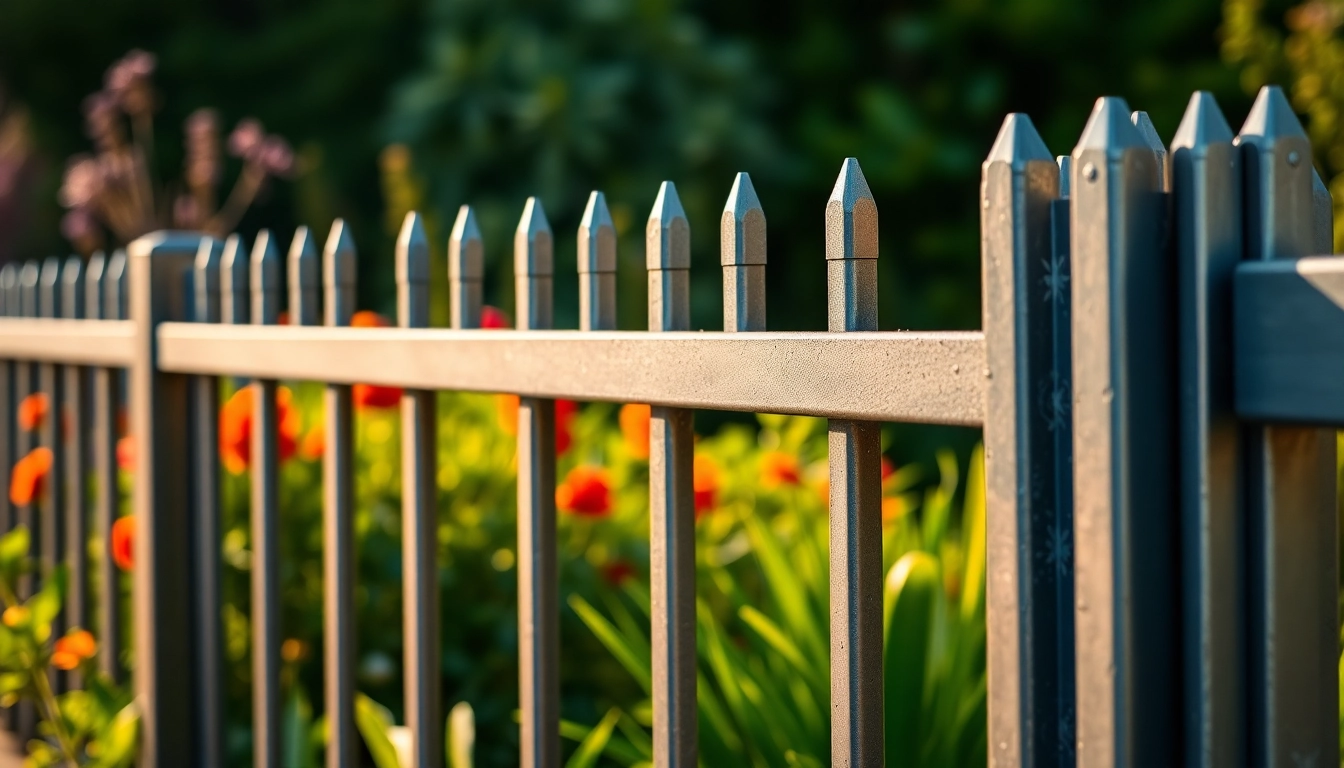
Understanding Metal Fence Panels
What Are Metal Fence Panels?
Metal fence panels are solid structures used to enclose areas, providing a physical barrier that boasts various practical benefits. Typically made from materials such as steel, aluminum, or wrought iron, these panels offer strength and durability unmatched by other fencing materials. They are primarily used in residential and commercial applications to define property boundaries, enhance aesthetic appeal, and increase security. The versatile nature of metal fencing allows it to be used for various purposes, including gardens, pools, industrial properties, and agricultural setups.
Types of Metal Fence Panels Available
When considering metal fence panels, it’s essential to understand the different types available, each designed to cater to specific needs and preferences:
- Chain Link Fencing: Typically made from galvanized steel wire, chain link fences are an economical and effective option for security and visibility. They are commonly used in commercial properties and sports facilities.
- Wrought Iron Fencing: Known for its classic appeal, wrought iron fencing adds a touch of elegance and is highly durable. It is frequently used in upscale residential properties and provides a sturdy barrier without obstructing views.
- Aluminum Fencing: Lightweight and resistant to corrosion, aluminum fencing is a popular choice for both residential and commercial use. Its adaptability allows for various styles and designs, making it easy to match personal aesthetics.
- Steel Panels: Steel fence panels are robust and often used in high-security areas. They can be coated to prevent rust, adding to their longevity and durability.
- Picket Fencing: Metal picket fences, often made of steel or aluminum, provide the timeless charm of traditional picket designs while ensuring greater durability than wooden alternatives.
Benefits of Metal Fence Panels
Choosing metal fence panels presents various advantages that ensure long-term satisfaction:
- Durability: Metal fences withstand harsh weather conditions, pests, and rot, ensuring they require minimal upkeep compared to wooden fences.
- Security: The sturdiness of metal panels acts as a formidable barrier, making it difficult for intruders to breach. This characteristic is particularly vital for residential properties and businesses.
- Low Maintenance: Unlike wood that may need staining or painting, metal fencing typically just needs occasional cleaning to maintain its appearance.
- Versatility: Various designs and styles can be customized to suit diverse architectural preferences or functional requirements.
- Eco-friendliness: Many metal fencing materials are recyclable, making them a sustainable choice for environmentally conscious consumers.
Choosing the Right Metal Fence Panels
Factors to Consider when Selecting
Selecting the right metal fence panel involves considering several critical factors:
- Purpose: Determine the primary reason for installing the fence—whether for aesthetics, security, or both.
- Budget: Establish a budget tailored for materials, installation costs, and ongoing maintenance. Make sure to balance quality with affordability.
- Location: Analyze local climate conditions, as some materials may perform better than others depending on the environment.
- Aesthetics: Consider how the fence will complement your home or property landscape. Select designs that align with your desired visual impact.
Comparing Costs and Quality
Understanding the cost implications and quality should guide your choice:
While different types of metal fences vary significantly in price, it’s crucial to evaluate not just upfront costs but also long-term value. For example, although wrought iron may have a higher initial price, its durability often leads to lower maintenance expenses over time. Conduct a thorough comparison of different fencing materials and their warranties to gauge expected lifetime costs versus benefits. Seeking multiple quotes can help you find the best deal without compromising quality.
Exploring Design Options
The design of your metal fence plays an integral role in its overall effectiveness:
- Height: Consider the height that best meets your needs, as taller fences enhance privacy but may affect your property’s aesthetics.
- Style: Styles like spear tops, flat tops, and decorative scrolls can be chosen based on your desired appearance and security needs.
- Color and Finish: Finishes such as powder coating come in various colors, allowing for customization while protecting against rust.
Installation Process for Metal Fence Panels
Preparation and Planning Steps
Successful installation starts long before the first panel is set. Here’s how to prepare:
- Check Local Regulations: Familiarize yourself with local zoning laws, building codes, and obtain any necessary permits.
- Planning Fence Layout: Use stakes and string to mark where the fence will go, identifying corners and gates to ensure precise placement.
- Gather Materials: Make an inventory of all needed materials and tools based on your fencing type, including panels, posts, concrete, and fasteners.
Tools Required for Installation
Each installation requires some specific tools to achieve a professional finish. These may include:
- Post hole digger
- Level
- Tape measure
- Hammer or power drill
- Wrench or pliers
- Concrete mix (for setting posts)
Step-by-Step Installation Guide
Follow these steps for a successful installation:
- Set the Posts: Begin by digging holes for posts (usually 1/3 of the post’s total length). Place the posts in the holes, ensuring they are straight and level, and backfill with concrete.
- Attach Panels: Once the concrete has set, start attaching the metal panels to the posts using brackets and fasteners. Ensure that they are level and aligned.
- Install Gates: If your design includes gates, install them according to the manufacturer’s instructions, ensuring they swing freely.
- Final Touches: Double-check that everything is secure and level before cleaning up the worksite.
Maintenance Tips for Longevity
Regular Maintenance Practices
Maintaining your metal fence does not require extensive effort but regular upkeep can extend its life significantly:
- Cleaning: Use a soft brush or sponge with mild detergent to remove dirt and grime. Rinse thoroughly with water.
- Inspection: Regularly check for signs of rust, damage, or loose fasteners, addressing these issues promptly to prevent more significant problems.
Addressing Common Issues
Common problems that may arise with metal fences include rust, bending, and wear:
- Rust Prevention: Apply anti-rust coatings or touch-up paint to any exposed areas.
- Bent Panels: If a panel becomes bent, straightening it often requires careful adjustments—consider consulting a professional for significant damage.
Coating and Painting Recommendations
Applying a fresh coat of paint or protective coating can dramatically enhance the appearance and longevity of your metal fence:
Choose quality paints specifically designed for metal surfaces. It’s advisable to sand down any rust spots and apply a primer, ensuring a smooth finish. Regular touch-ups every few years can help prevent deterioration and rust formation.
Frequently Asked Questions
What are the advantages of metal over wood fences?
Metal fences are more durable, require less maintenance, and provide better security than wooden fences.
Can I install metal fence panels myself?
Yes, installation can be a DIY project, but proper tools and techniques are essential for a successful outcome.
How long do metal fence panels last?
With appropriate care, metal fence panels can last 20 years or more, making them a wise investment.
Are metal fences eco-friendly?
Yes, many metal fences are made from recycled materials and are 100% recyclable at the end of their life.
Can metal fence panels be painted?
Absolutely! Metal panels can be painted, allowing you to customize their color while ensuring proper surface preparation.
Regardless of the type of property you own, understanding the nuances of metal fence panels can greatly enhance security, aesthetics, and property value. With a clear guide on selection, installation, and maintenance, you equip yourself with all the necessary information to make informed decisions. For further details, reference resources such as the detailed insights available at www.metalfencepanels.co.uk.